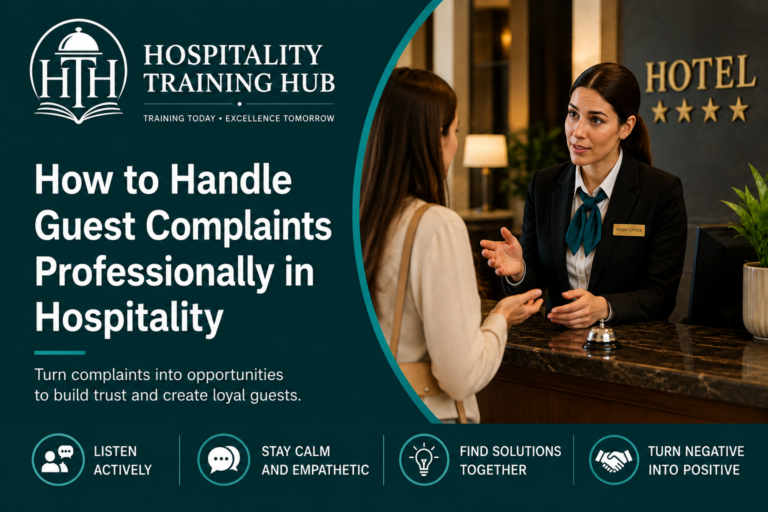
10 Ways to Improve the Guest Experience in Hospitality
Creating a memorable guest experience is at the heart of successful hospitality. Guests may not remember every detail of their stay, meal, or visit, but they will remember how they were treated and how the experience made them feel.
Improving the guest experience does not always require major changes. Often, it comes down to consistent service, thoughtful communication, attention to detail, and a team that understands how to anticipate and respond to guest needs.
1. Make a Strong First Impression
The guest experience begins before the main service even starts. A warm welcome, professional appearance, friendly tone, and prompt acknowledgement can immediately make guests feel comfortable and valued.
Whether a guest is arriving at a hotel, entering a restaurant, making an enquiry, or contacting the business online, the first interaction should communicate professionalism and genuine hospitality.
2. Listen Carefully to Your Guests
Good hospitality is not only about speaking clearly—it is also about listening. Guests want to feel that their questions, preferences, and concerns are being taken seriously.
Staff should give guests their full attention, avoid interrupting, and confirm important details when necessary. Active listening helps prevent misunderstandings and makes it easier to provide a more personal and attentive service.
3. Personalise the Guest Experience
Guests appreciate being treated as individuals rather than simply another customer. Small personalised touches can make an ordinary interaction feel much more memorable.
Using a guest’s name when appropriate, remembering preferences, recognising returning guests, and adapting service to individual needs can all help create a stronger connection. Personalisation does not need to be complicated—it simply requires staff to pay attention and respond thoughtfully.
4. Anticipate Guest Needs
Excellent hospitality often means helping guests before they have to ask.
Staff should pay attention to situations where a guest may need assistance and look for opportunities to make their experience easier. This could mean offering directions, explaining what happens next, providing additional information, or noticing when someone appears uncertain or uncomfortable.
Anticipating needs demonstrates attentiveness and helps create a smooth, effortless guest experience.
5. Communicate Clearly and Professionally
Clear communication is essential throughout the guest journey. Guests should understand what to expect, where to go, and what options are available to them.
Staff should communicate in a friendly, confident, and professional manner while avoiding unnecessary jargon or confusing explanations. If there is a delay, change, or problem, guests should be informed rather than left wondering what is happening.
Good communication builds trust and reduces frustration.
6. Respond Quickly to Problems
Even excellent hospitality businesses experience problems. What often matters most is how the team responds when something goes wrong.
Staff should acknowledge the issue, listen carefully, apologise appropriately, and focus on finding a practical solution. Guests should not have to repeatedly explain the same problem or chase employees for updates.
A fast and professional response can sometimes turn a disappointing situation into a positive experience.
7. Pay Attention to the Small Details
Small details can have a surprisingly large impact on how guests perceive a business.
Cleanliness, presentation, accurate information, organised spaces, appropriate body language, and timely service all contribute to the overall experience.
Individually, these details may seem minor. Together, they communicate professionalism and show guests that the business cares about the quality of their experience.
8. Create Consistency Across the Guest Journey
Guests should receive a high standard of service regardless of which employee, department, or part of the business they interact with.
Inconsistent service can quickly undermine an otherwise positive experience. Clear service standards and effective staff training help ensure employees understand what is expected of them.
Consistency builds trust because guests know they can expect the same level of professionalism throughout their experience.
9. Ask for and Learn From Guest Feedback
Guest feedback provides valuable insight into what a hospitality business is doing well and where improvements may be needed.
Businesses should make it easy for guests to share their experiences and should take feedback seriously. Complaints, reviews, surveys, and direct conversations can all highlight opportunities to improve.
The goal is not simply to collect feedback but to use it to strengthen service standards and prevent recurring problems.
10. Invest in Staff Training
Employees play a major role in shaping the guest experience. Even the best facilities, products, or systems cannot compensate for consistently poor service.
Regular hospitality training helps employees strengthen their communication, customer service, problem-solving, and professional skills. It also gives staff greater confidence when dealing with different guests and challenging situations.
When employees understand both what good service looks like and why it matters, they are better equipped to deliver it consistently.
Creating Better Guest Experiences Through Better Service
Improving the guest experience is rarely about one dramatic change. It is the result of many positive interactions happening consistently throughout the guest journey.
By listening carefully, communicating clearly, anticipating needs, resolving problems professionally, and investing in staff development, hospitality businesses can create experiences that guests remember for the right reasons.
Strong guest experiences can encourage positive reviews, repeat visits, recommendations, and greater customer loyalty—all while helping build a stronger reputation for the business.
Ready to Strengthen Your Hospitality Skills?
Explore our practical hospitality training courses designed to help hospitality professionals and teams develop the skills needed to deliver confident, consistent, and professional guest service.